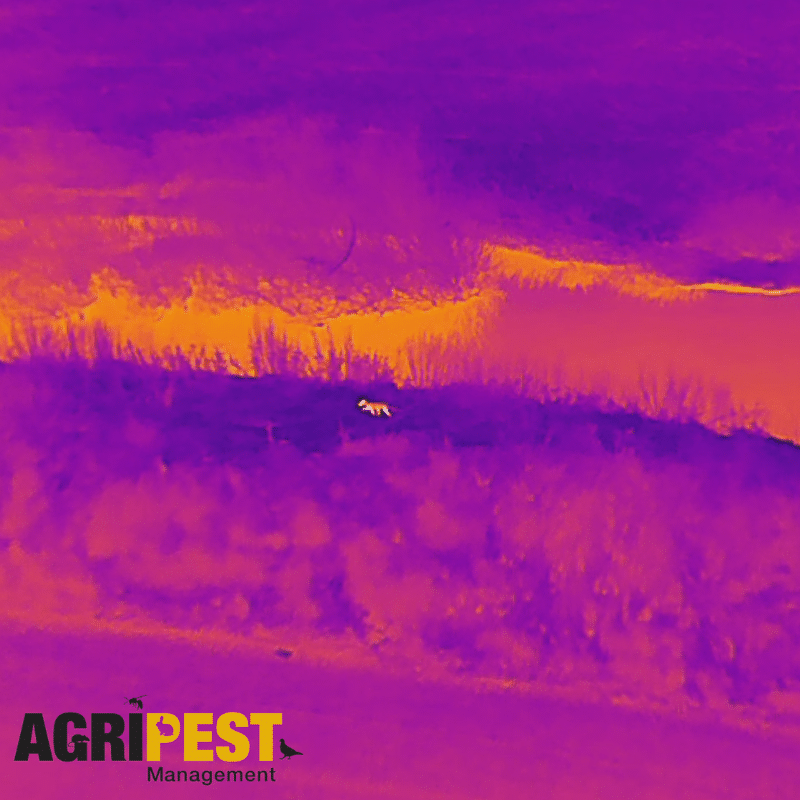
Using thermal drones for pest control involves employing drones equipped with thermal imaging technology to detect and manage pest populations, especially in agriculture or forestry settings. While thermal imaging itself doesn’t directly control pests, it aids in identifying infestations or concentrations of pests, allowing for targeted intervention or treatment by AgriPest Management.
Here’s an outline of how thermal drones can assist in pest control:
- Detection of Pest Hotspots: Thermal imaging cameras on drones can detect heat signatures emitted by pests or identify temperature differentials caused by infestations. For instance, in agriculture, thermal drones might detect areas with higher pest activity due to the pests’ metabolic heat or damage they cause to crops.
- Surveillance and Monitoring: Drones equipped with thermal cameras can conduct regular surveys over agricultural fields or forested areas to monitor pest populations. This continuous monitoring helps in early detection of outbreaks or pest infestations before they cause extensive damage.
- Targeted Treatment: Once pest hotspots are identified through thermal imaging, pest control measures can be implemented more precisely. For example, if a thermal drone identifies a specific area with a higher concentration of pests, targeted shoots or other control methods can be directed to that specific area, reducing environmental impact.
- Assessment of Treatment Efficacy: Thermal drones can also be used post-treatment to assess the effectiveness of pest control measures. Monitoring the changes in temperature signatures can indicate whether the treatment has effectively reduced the pest population or eliminated the infestation.
- Reduced Labour and Costs: Drones streamline the surveying and treatment process, potentially reducing labour costs and making pest control more cost-effective.
While thermal drones provide valuable insights for pest detection and targeted intervention, it’s important to note that they are just one part of an integrated pest management strategy.
Using thermal drones in pest control efforts can enhance efficiency, reduce labour and costs, and enable more precise and targeted interventions, ultimately contributing to more sustainable pest management practices in agriculture, forestry, or other affected areas.