CASE STUDY: Heatwave Triggers Bee Swarms — How Agripest Management Responded
During this week’s intense heatwave, people across Yorkshire felt the impact of soaring temperatures — and so did local honey bees. The sudden rise in temperature triggered an increase in bee swarming activity, leading to multiple emergency callouts across the region.
As always, the AgriPest Management team worked around the clock, responding to homeowners, businesses and landowners who found themselves facing unexpected swarms on their property.
This case study looks at how we handled the surge in calls, how swarms behave in hot weather, and why professional intervention is sometimes necessary.
The Heatwave Effect: Why Bees Swarm During Hot Weather
High temperatures can accelerate the natural swarming process. When a colony becomes overcrowded, a portion of the bees — along with their queen — leave the hive to form a temporary cluster while they search for a new, permanent home.
During the heatwave, we saw:
-
Large clusters of bees landing on fences, cars, trees and sheds
-
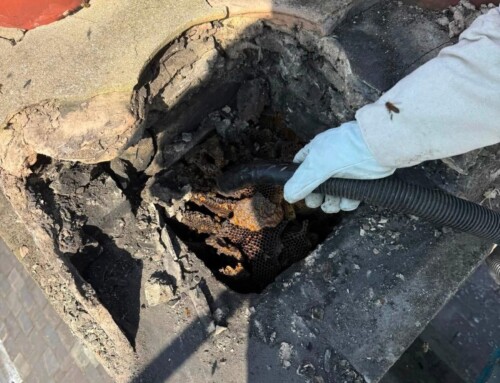
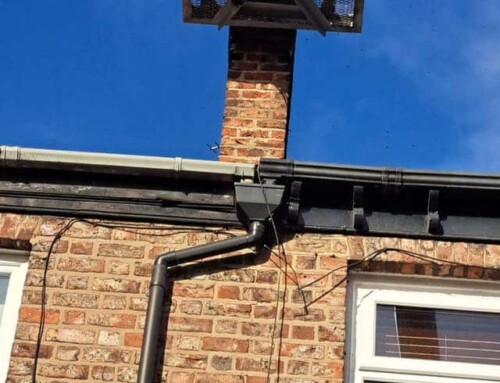
Swarms resting on external walls and chimney stacks
-
Bees gathering in vast numbers on residential and commercial properties
These temporary swarm clusters are usually harmless and typically move on within 24–48 hours once they regain strength.
When a Swarm Becomes a Risk
Most swarms simply rest before continuing their journey. However, some attempt to establish a permanent home inside buildings, especially in:
-
Chimney pots
-
Roof voids
-
Cavity walls
-
Air bricks
-
Barns and outbuildings
Once bees begin entering a property or nesting inside structural voids, they can pose:
-
A public health risk, especially in schools, hotels or public buildings
-
A risk to vulnerable individuals
-
Structural damage from honeycomb and wax
-
Attraction of secondary pests such as wasps, ants or rodents
In these cases, professional bee extraction and relocation is essential.
AgriPest’s Rapid Response: Safe Swarm Collection & Relocation
During the heatwave, the Agripest team was called to numerous emergency swarm sightings. Our trained bee specialists carried out:
✔ Swarm Collection
Capturing swarms safely using professional equipment and protective methods.
✔ Property Surveys
Assessing whether the bees were resting temporarily or attempting to establish a colony.
✔ Ethical Extraction
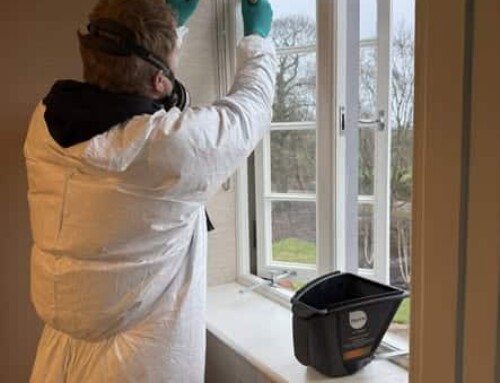
Removing bees from cavity walls, chimneys and internal spaces if they posed a health or safety risk.
✔ Sustainable Relocation
Transporting bees to environmentally suitable locations where they could continue their vital pollination role.
✔ Public Reassurance
Providing guidance to homeowners unsure whether a swarm was dangerous or simply passing through.
Our priority is always to protect both the public and the bees — ensuring safe, responsible handling every step of the way.
Temporary Swarm? Here’s What to Do
If a swarm lands on your property:
-
Do not disturb them
-
Keep children and pets away
-
Avoid spraying or blocking entrances
-
Allow up to 48 hours for them to move on naturally
In most cases, they simply rest before continuing their journey.

When to Call AgriPest Management
You should contact us if:
-
Bees are entering your home or business
-
The swarm is in a high-traffic or public area
-
You suspect bees have moved into a cavity wall or chimney
-
You’re unsure whether the swarm is temporary
-
A swarm is posing a health and safety risk
We offer rapid response, expert surveys and safe relocation options.
Need Help With a Bee Swarm? Contact Us Today
If you have concerns about a swarm or need a professional survey, our team is here to help.
📧 Email: nick@agripestmanagement.co.uk
📞 Office: 01423 358533
🌐 Website: www.agripestmanagement.co.uk
Agripest Management — protecting homes, businesses and local pollinators across Yorkshire.