Rats
In 2020 Agripest has noticed an increase in the number of rats present in agricultural, domestic and commercial premises.
It is estimated that there are around double the number of rats in the UK as there are humans! There are roughly 66 million people living in the UK, therefore there are an estimated 132 million rats!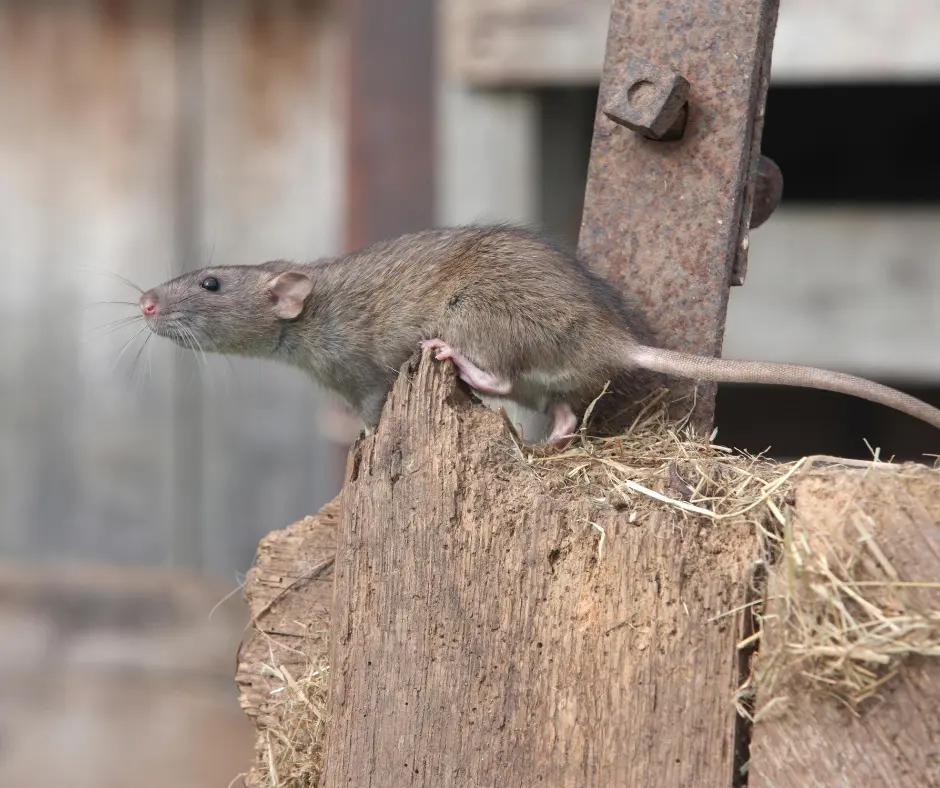
There are 2 species of rat in the UK, Rattus Norvegicus- known as the brown rat or the Norway rat, and Rattus Rattus- known as the black rat or ship rat (this is the species of rat responsible for spreading the Black Plague!)
The brown rat is the species of rat you will most commonly encounter in the UK as the black rat is rare in the UK, although they are occasionally found in shipping ports.
Where will you find rats? Rats can inhabit a variety of different environments, somewhere that provides them with food, water and shelter such as roof spaces, wall cavities, under floorboards as well as outdoors in burrow systems that they excavate into the ground. It is also well known that rats inhabit the sewer systems throughout the UK, and this is often how rats access a property.
What damage can rats do to a property? Rats can cause a number of different issues once they have gained access to a property, the main one being gnawing damage. Rats have incisors which are the long teeth at the front of their mouth. They have a pair of incisors both at the roof of their mouth, as well as a pair at the bottom of their mouth. These teeth are constantly growing so rats have to constantly gnaw things to keep their teeth in good condition. These teeth are also self-sharpening as when the rat chews, the teeth rub together in a way that sharpens them!
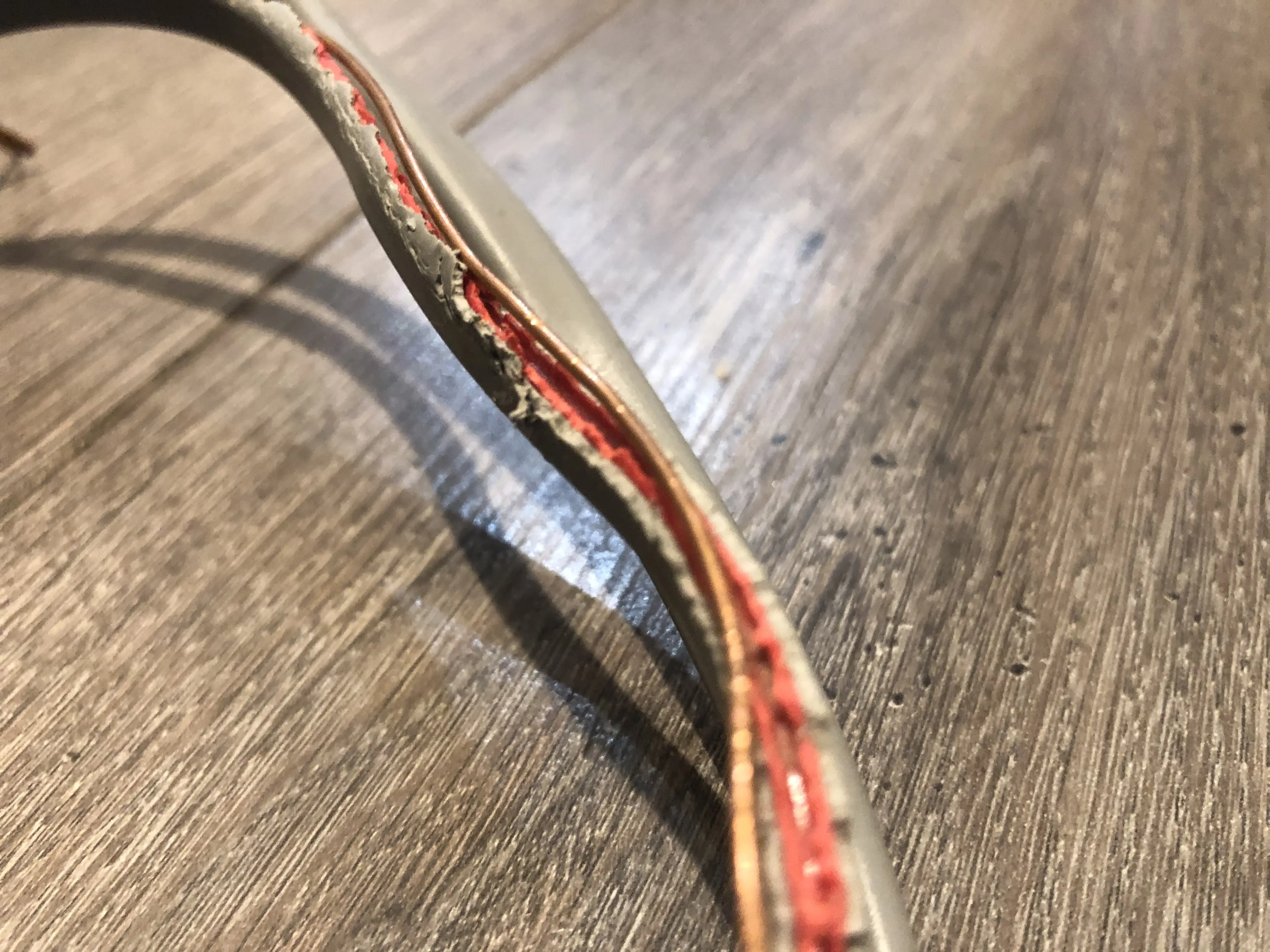 As well as being very sharp, a rat’s incisor is also extremely hard and able to gnaw through a variety of different materials such as wood, glass, cinder block and even metal! Rats will commonly gnaw on electrical cables and pipes such as water pipes and gas pipes and this is where they can cause a large amount of damage! All it takes is for a rat to chew through the wrong wire and this can cause an electrical fire which could potentially be devastating.
The disease is another risk associated with rats and their urine. Rats communicate and mark their territories by urinating wherever they travel and this can pose a risk to public health as a rat can carry leptospirosis (also known as Weil’s disease), salmonella, listeria, toxoplasma gondii and hantavirus. All of the above diseases can pose a serious threat to public health and in some cases could potentially be fatal.
What are the signs of rats in a property? The first sign of rats in a property that many people encounter is actually noise caused by the rats moving around and also the sound of them gnawing on objects. Another, quite obvious sign of rats is their droppings which are dark, pellet-shaped and around 1-2cm in length. One rat can leave up to 40 droppings in one night, and they tend to leave them clustered in certain “latrine” areas. Because of this, some people might not come across the droppings as often a rat will do its business out of the way, or often in an area that is inaccessible or rarely accessed by a human, for example, a roof space.
Another sign of rats is the smell of their urine which is extremely strong-smelling, and if the smell is bad it is often a sign of a rat infestation.
A visual sign that rats are present is the smear marks they leave behind. Smear marks are dark, greasy coloured marks which a rat leaves behind when frequenting an area, for example climbing through a hole in a wall. When a rat is back and forth through a certain point it will leave smear marks behind it. These marks are caused by the rat’s greasy fur.
Another visual sign of rats is footprints and tail marks. These can be very visible in dusty areas such as grain stores, and also will be visible in wet mud. One rat can leave a lot of tracks behind it as they are very active and often back and forth from one area to  another.
How fast can rats reproduce? Rats can breed and increase their numbers at an alarming rate! In the right environmental conditions, a female rat can reproduce every 6 weeks, with litters of 6-8 offspring. After getting pregnant, a female rat has a gestation period of 21 days or 3 weeks which is a very short period of time, and just 48 hours after giving birth to her young, a female rat can become pregnant again!
A rat reaches sexual maturity at just 5 weeks old, so only around 35 days after being born, a rat is then ready to reproduce!
A pair of rats could potentially produce as many as 200 young and also 2000 descendants in just 1 year and this is how rat infestations can develop at such a fast rate.
How do I prevent rats from accessing a property? A rat only needs a gap of around 15mm to enter a property. One way that rats can access a property is via low-level gaps such as holes around pipework, large holes in air bricks, gaps in pointing/mortar, missing brickwork and even through gaps in doors or garages, these are normally the most obvious points of entry. Filling in these holes with concrete, wire mesh and also wire wool can help to stop rodents from accessing a property. It is also sometimes worth checking for holes higher up in a property if rats have a means to access these high points via structures such as climbing plants and pipework leading up to these points as rats are very good climbers.
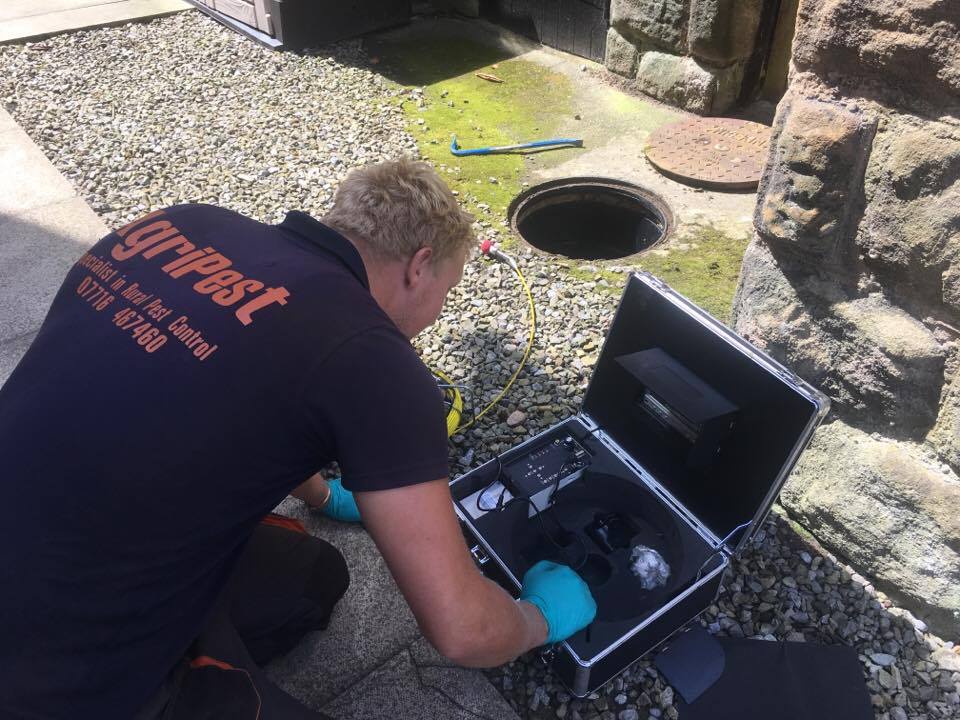 Another common way that rats can gain access to a property is via the drains. If there is a fault in a properties drain system, rats can commonly come up from the main sewers and exploit these faults, gaining access into the property. If you are having an issue with rats and can’t find an obvious entry point then it is likely that they have entered via the drains so it worth checking the drain system for signs of rat activity and also for signs of a drain fault such as blockages and build-up of soil etc as these can be signs that there are rats present in the drain system.
Another way to help prevent rats is to keep the environment clean and tidy. Keep vegetation surrounding buildings to a minimum as this will provide rats with safe harbourage. Eliminating this vegetation and keeping the space open will mean rats won’t have the cover they need and they, therefore, won’t feel safe traveling in those areas. Don’t leave objects or rubbish piled up as this will also provide harbourage for rats.
Ensure bins are emptied regularly and do not allow them to overflow as this also will encourage rats as it is providing them with an easy food source.
Eliminate any food source where possible in the environment. Birdfeed and animal feed is also a staple food source for rats. Bird feeders in gardens are notorious for encouraging rats as the birds will land on the feeder and peck at the seed, spilling quite a lot on the ground for opportunistic rats to come and feed. We therefore would recommend not to put out bird feeders. Spilled animal feed also goes hand in hand with rat infestations if there is a constant supply of it in the environment in properties such as farms. It is therefore important to never leave spilled feed laying around and to sweep it up where possible. The animal feed should be stored in secure feed bins to prevent rats from gaining access to it.
With winter approaching it is important to keep vigilant as rats will start to move in from the fields and riverbanks, and start to look for somewhere that will provide them with shelter and a regular food source, this could potentially be your property so it is 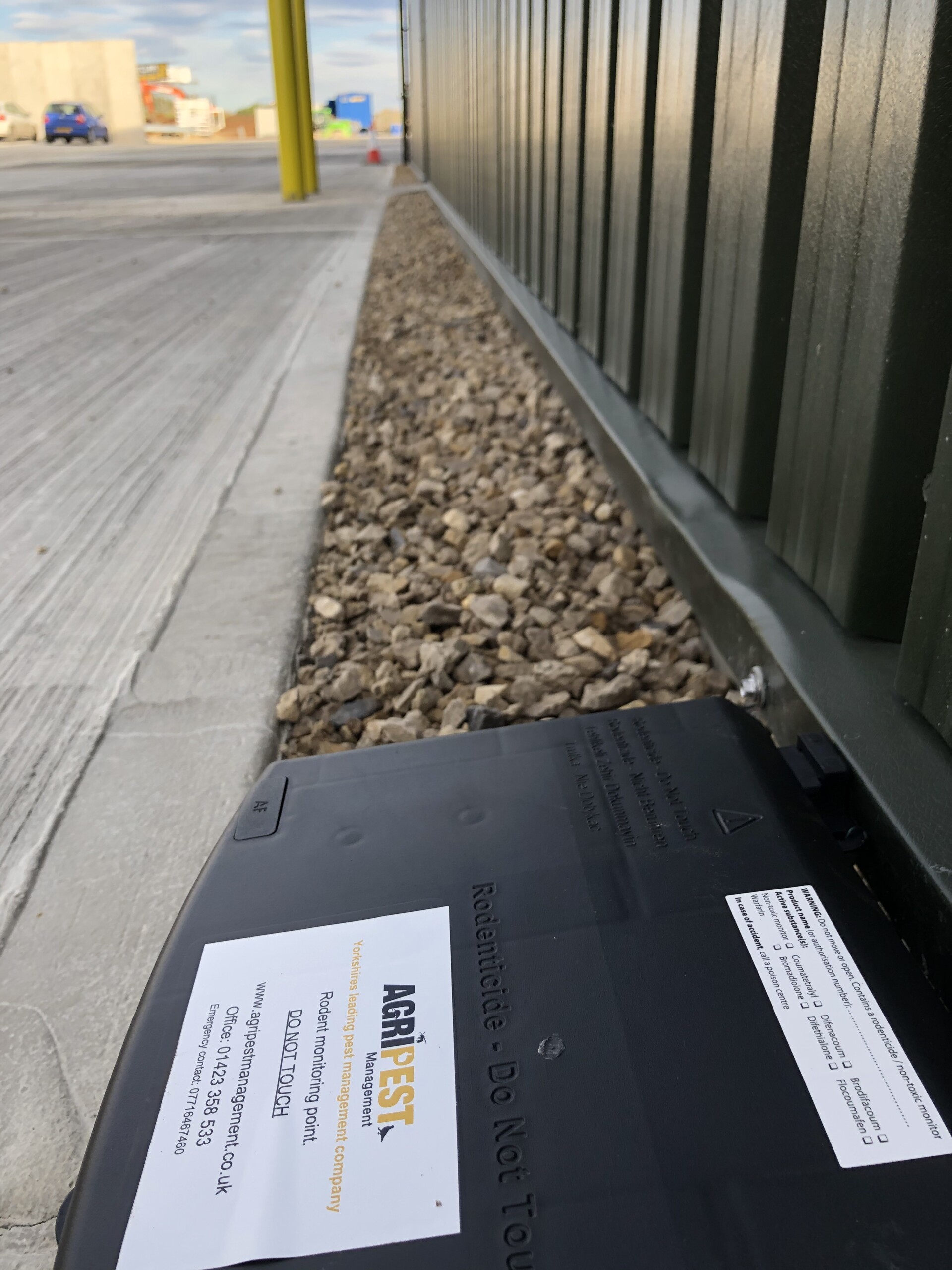 important that you are prepared. Are there any obvious points in the property where rodents can access that need to be filled in to prevent them from accessing? Have you had a blocked drain that needs looking at to ensure there are no faults in the system that rats could exploit and gain access?
If you store feed have you got it stored securely so that rats cannot gain access to it?
Have you kept on top of the vegetation in your garden so that you are not providing rats with safe harbourage?
And if you are feeding the birds in your garden it is worth thinking about taking the feeders down? because although it’s nice to feed the birds, there is plenty of food available for them naturally and it is not worth the risk of encouraging rats into your property.
Finally, if you do happen to have any issues with rats we recommend that you get a professional in to deal with the problem as not only will they deal with the rats themselves, they will also be able to identify how the rat has gained access to your property and make suggestions on how to prevent them access in the future.
For more information or advice please contact AgriPest
Office- 01423358522
Mob – 07716467460
nick@agripestmanagement.co.uk
www.agripestmanagement.co.uk