Pest of the Week: Woodworm – What You Need to Know
Woodworm is one of the most common and often misunderstood pest issues affecting homes, barns, agricultural buildings and wooden furniture across the UK. Despite its name, woodworm isn’t actually a worm at all — it refers to the larvae of several wood-boring beetle species that quietly tunnel through wood, causing structural damage over time.
At Agripest Management, we regularly receive calls about unusual holes in timber, crumbling beams, or fine sawdust appearing out of nowhere. In many cases, woodworm is the culprit. In this week’s Pest of the Week feature, we’re breaking down everything you need to know.
What Exactly Is Woodworm?
Woodworm describes the larvae stage of various beetles that lay their eggs in timber. Once hatched, the larvae begin feeding on the wood, burrowing deep inside and creating a network of tunnels and chambers. This process can continue for years without being noticed.
The danger comes when these tunnels weaken the wood’s structural integrity — especially in floorboards, roof timbers, joists, antique furniture and outbuildings.
 How to Spot Woodworm: Key Signs to Look Out For
Identifying woodworm early is essential to prevent long-term damage. Some common signs include:
-
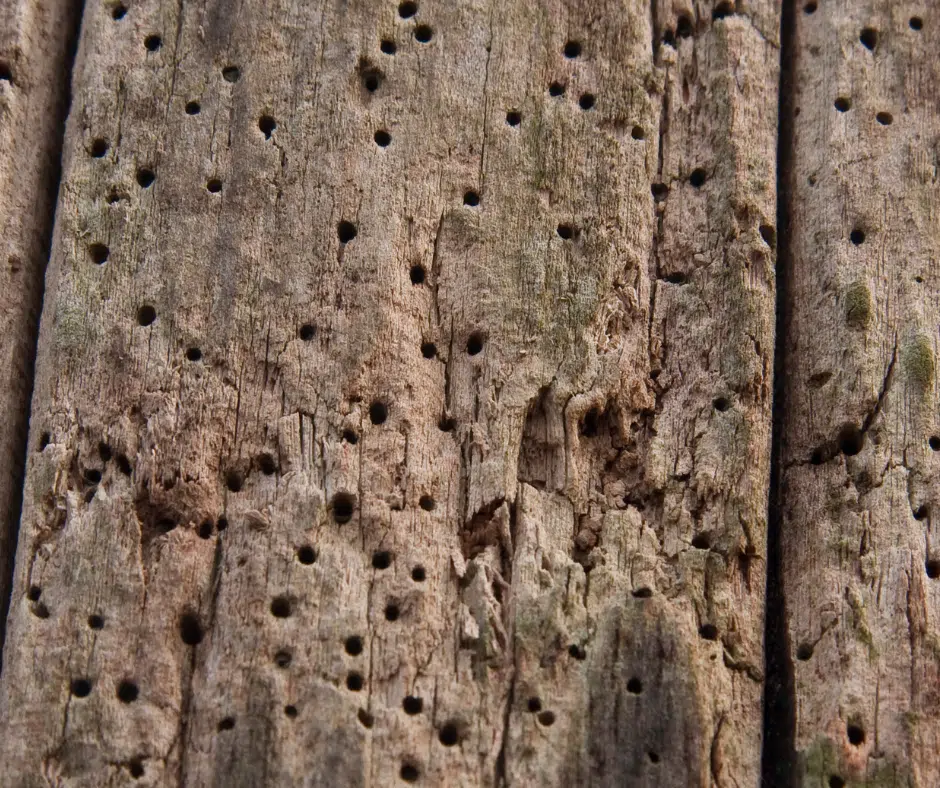
Small, round exit holes in the wood (typically 1–3mm).
-
Fine, powdery dust (known as frass) found beneath or around the holes.
-
Crumbling or weakened timber, especially when pressure is applied.
-
Visible tunnels within the wood if broken pieces are inspected.
-
Adult beetles around windowsills or near timber from late spring to early autumn.
If any of these symptoms sound familiar, it’s important to act quickly.
Why Woodworm Occurs
Woodworm beetles prefer timber with higher moisture levels, poor ventilation or older untreated wood. Farm buildings, lofts, sheds and countryside properties are particularly vulnerable — especially where conditions are cool, damp or poorly ventilated.
Prevention: How to Reduce the Risk of Woodworm
Thankfully, there are several steps you can take to help prevent woodworm infestations:
-
Ensure proper ventilation in lofts, crawlspaces and outbuildings.
-
Reduce moisture by repairing leaks and improving airflow.
-
Treat timber with a high-quality professional insecticide.
-
Avoid storing damp wood or placing wooden furniture directly against cold external walls.
-
Address existing infestations early to stop them from spreading.
These preventative methods not only protect your property but also extend the life of your wooden structures and furniture.

Professional Woodworm Treatment
Treating a woodworm infestation isn’t as simple as applying an off-the-shelf spray. Effective treatment requires:
-
Correct identification of the beetle species.
-
Assessing whether the infestation is active or historic.
-
Applying specialist insecticide professionally to reach larvae inside the timber.
-
Ensuring long-term protection to prevent re-infestation.
At Agripest Management, our team provides thorough surveys, honest advice and long-lasting treatment solutions tailored to your property.
Need Help With Woodworm? Contact Agripest Management
If you suspect woodworm in your home, farm building or commercial property, our experts are here to help. We offer detailed surveys, clear recommendations and safe, effective treatments.
📞 01423 358 533
📱 07716 467 460
📧 info@agripestmanagement.co.uk
🌐 agripestmanagement.co.uk
Agripest Management — protecting your property, one timber at a time.