AgriPest take a look at why deer numbers are on the rise when there is a push to reduce the numbers nationally and give our opinion as to how we can successfully manage deer numbers throughout the UK.
AgriPest specialise in rural pest management, we manage the pest control procedures on many estates and farms that all have varying numbers and species of deer.
The first thing we need to look at is why we need to control more deer? The UK is looking to become net zero by 2050, to achieve this target there is a national push to plant more trees throughout the UK to catch more carbon however, if we are successful in planting millions more trees we are now creating additional habitats for deer to occupy and thrive.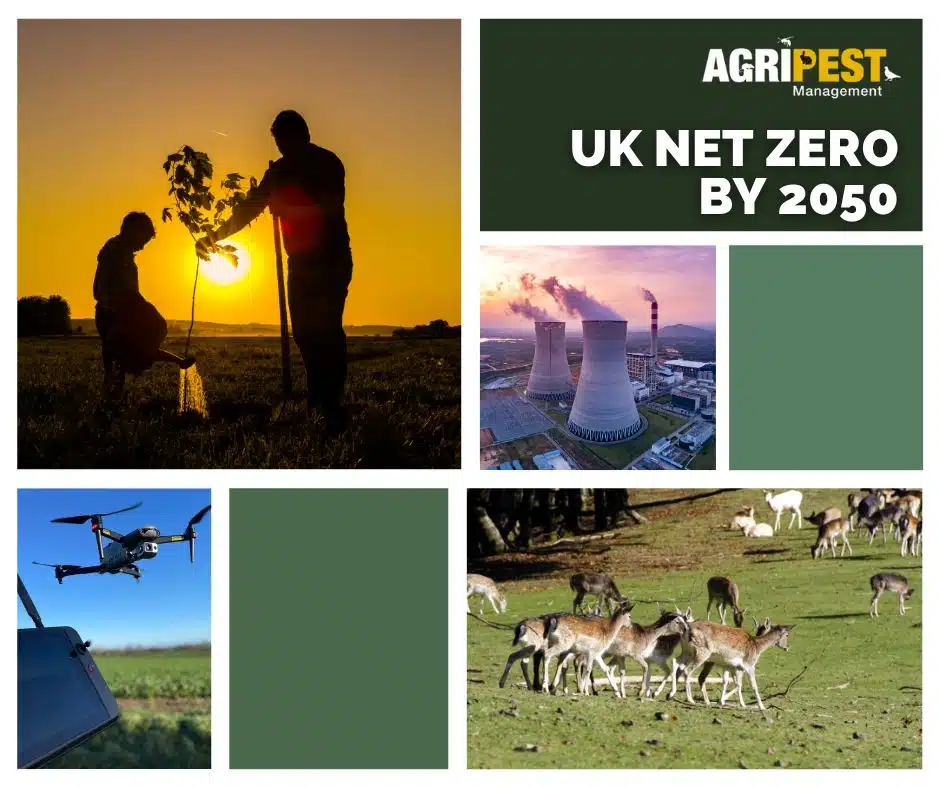
Agriculture is also another key factor in managing deer populations, farmers in the UK are facing unprecedented challenges, rising costs, weather and global demand for products, deer amongst other pest species are just other issue taking the hard earned profits out of the farmers pockets by damaging or consuming crops.
When the subject of deer comes up in conversation the common response is ‘we only have 1 or 2’ or ‘we have someone that comes and takes the odd one for the pot’. This is an all-to-common theme when it comes to deer control over smaller parcels of land.
For the larger estates we often find that it is the gamekeeper’s responsibility to manage the deer numbers, this can often be one keeper managing 2,000, 3,000, 4,000 acres of land. When speaking to the gamekeepers we learn they either do not have the time to effectively manage the numbers or they struggle for carcass outlets. Although the gamekeepers are up against it, they are very reluctant to allow others onto the land to help control rising deer numbers.
In the 70’s and 80’s obtaining shooting permission on land was a fairly easy undertaking, a knock on the farmers door or a polite letter would often see permission granted, these days it is very different with landowners very reluctant in allowing anyone on to control any pest species.
If you are lucky enough to have some good stalking ground with a landowner that understands the importance of deer management the next issue is an outlet for the deer you shoot. Many hobbyist shooters on the smaller parcels of land will only shoot what they will use themselves. This seems like a sustainable form of pest management but unfortunately is not helping to manage the deer population.
We also see a lack of coordination between landowners, one landowner may be keen to manage the deer on his/her land however the neighbouring landowner refuses to entertain the idea of controlling deer, as any stalker will tell you… land boundaries can be a nightmare!
Leased land for stalking, this is when a parcel of land is let out for deer stalking, on the face of it this seems a practical choice as the landowner and lease holder receive an additional form of income while individuals that wouldn’t otherwise get the opportunity to stalk now have endless opportunities (for a fee). For leased stalking to work however, there must be a plentiful supply of deer on the ground all year round as paying guests expect to shoot on their days stalking, therefore the landowner and lease holder closely manage the deer populations to ensure there is a plentiful supply rather than culling in higher volumes which is going to be required to meet land management targets.
So, we now need to look to why there are very few commercial stalkers conducting national culls to aid in the reduction of deer numbers throughout the UK.
The simple answer is money! For any business to succeed there needs to be a profitable outcome and unfortunately with deer control there is very little (if any) profit to be made. A stalkers reward is often the carcass but with record low venison prices, cost of fuel, ammunition, equipment and wages it makes controlling wild deer a hobbyist’s activity rather than a commercial one which is ultimately what is needed if we are to gain control of deer numbers.
To gain control of any pest population you first need to understand the severity of the infestation, to understand the density of any pest population you need to acquire accurate population statistics, failure to gather these figures will prevent you from knowing how successful your treatments/culls have been. Therefore, to get a grip on deer numbers we first need to know how many deer we are dealing with and the species. These surveys need doing one zone at a time. We know some deer species roam so conducting a deer count over a 1,000 acre plot of land then using the results to estimate a regional population just won’t work and will only muddy the waters further.
In our opinion the way to effectively control deer is to survey a parcel of land utilising the best technology available to us, in this instance thermal drones have revolutionised the way we can accurately record deer numbers, once an accurate population figure has been recorded there needs to be a intensive cull, the cull must be carried out in a way that will significantly reduce the recorded population within a short period of time. During the cull process regular monitoring of population densities is a must to ensure you are or have achieved the desired results. Before any cull begins there must be a guaranteed recipient of the venison.
For any commercial wild deer culls there must be financial benefits for the business that is organising and conducting the cull. For anyone that has conducted culls in the past, you will know how labour intensive this process can be and the work that goes on behind the scenes, pulling the trigger is the easy part!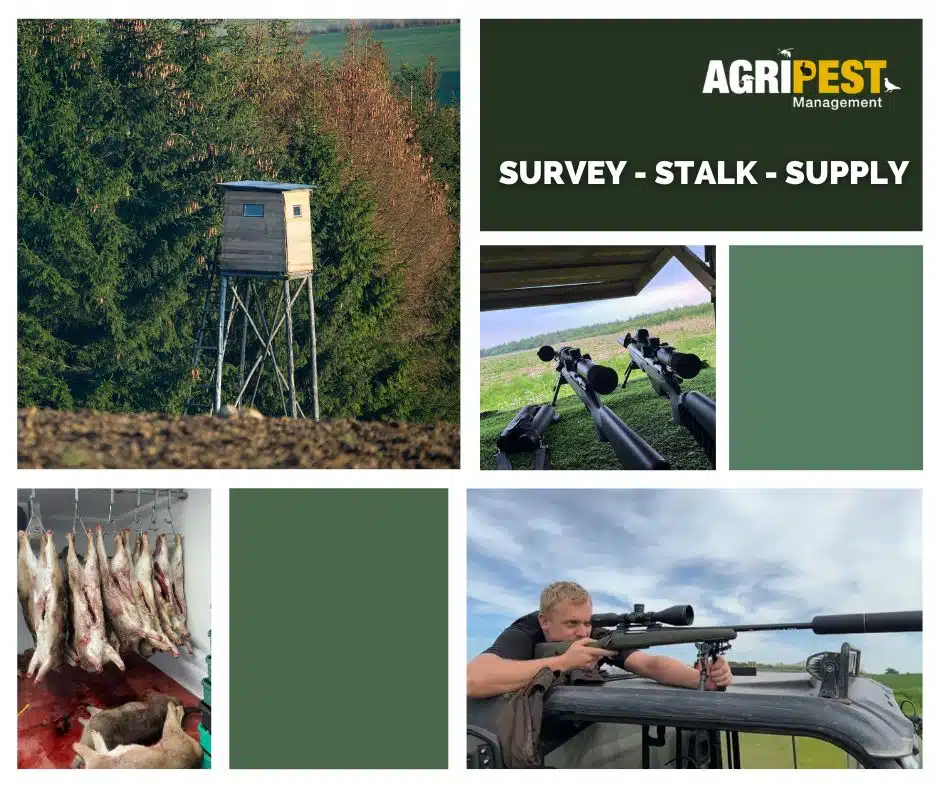
Government grants are now available offering landowners up to £200 per hectare to control deer numbers, is this enough to gain absolute control over the UK’s deer population? This is yet to be seen. More information can be found on the link below.
https://agripestmanagement.co.uk/general-news/environmental-land-management-ws1-ws3/
AgriPest Management have spent the last 2 years utilising thermal technology (including drones) to accurately count and record deer numbers on varying parcels of land, we have combined these surveys with organised culls and ensure all the usable venison has reached the consumer food market. Our results have been staggering and prove that if deer management is conducted swiftly and effectively, we CAN gain control over the ballooning deer population.
No two parcels of land are the same, each will present varying challenges which require experience and determination to overcome. This experience will come at a cost, but we see no point in planting millions of trees if they are only to be consumed by deer.
01423 358533