AgriPest’s Pest Control Guide
Introduction:
Pest control is essential to maintain a safe and healthy environment, both indoors and outdoors. Various pests can cause problems for homeowners, landowners, and businesses alike. This comprehensive guide will provide you with information and effective strategies to deal with common pests such as rats, mice, ants, wasps, rabbits, deer, pigeons, squirrels, and moles.
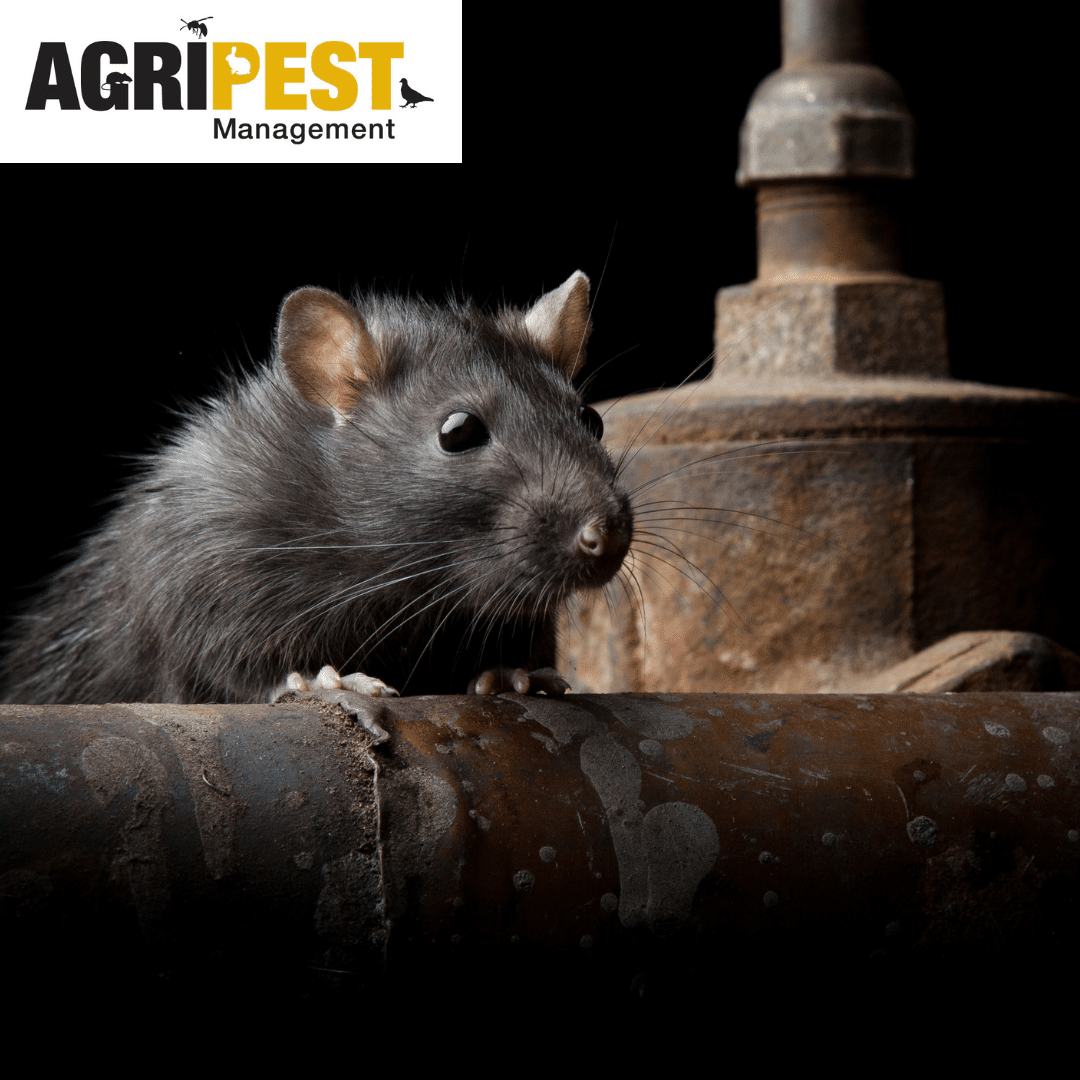
Rats and mice are destructive rodents that can transmit diseases and cause damage to structures and belongings. Here are some pest control methods:
a) Exclusion: Seal entry points, such as gaps and cracks, to prevent rats and mice from entering buildings.
b) Traps: Use snap traps to catch rodents.
c) Baiting: Place rodenticide baits in secure bait stations or use pet-safe alternatives.
d) Hygiene: Keep areas clean, dispose of food waste properly, and store food in secure containers.
Ants are social insects that can invade homes and gardens in search of food. To control ants:
a) Sanitation: Maintain cleanliness by eliminating food and water sources.
b) Natural deterrents: Use substances like vinegar, lemon juice, or cinnamon to deter ants.
c) Baiting: Place ant baits containing slow-acting insecticides near ant trails.
d) Barrier treatment: Apply ant repellents or insecticides around entry points.
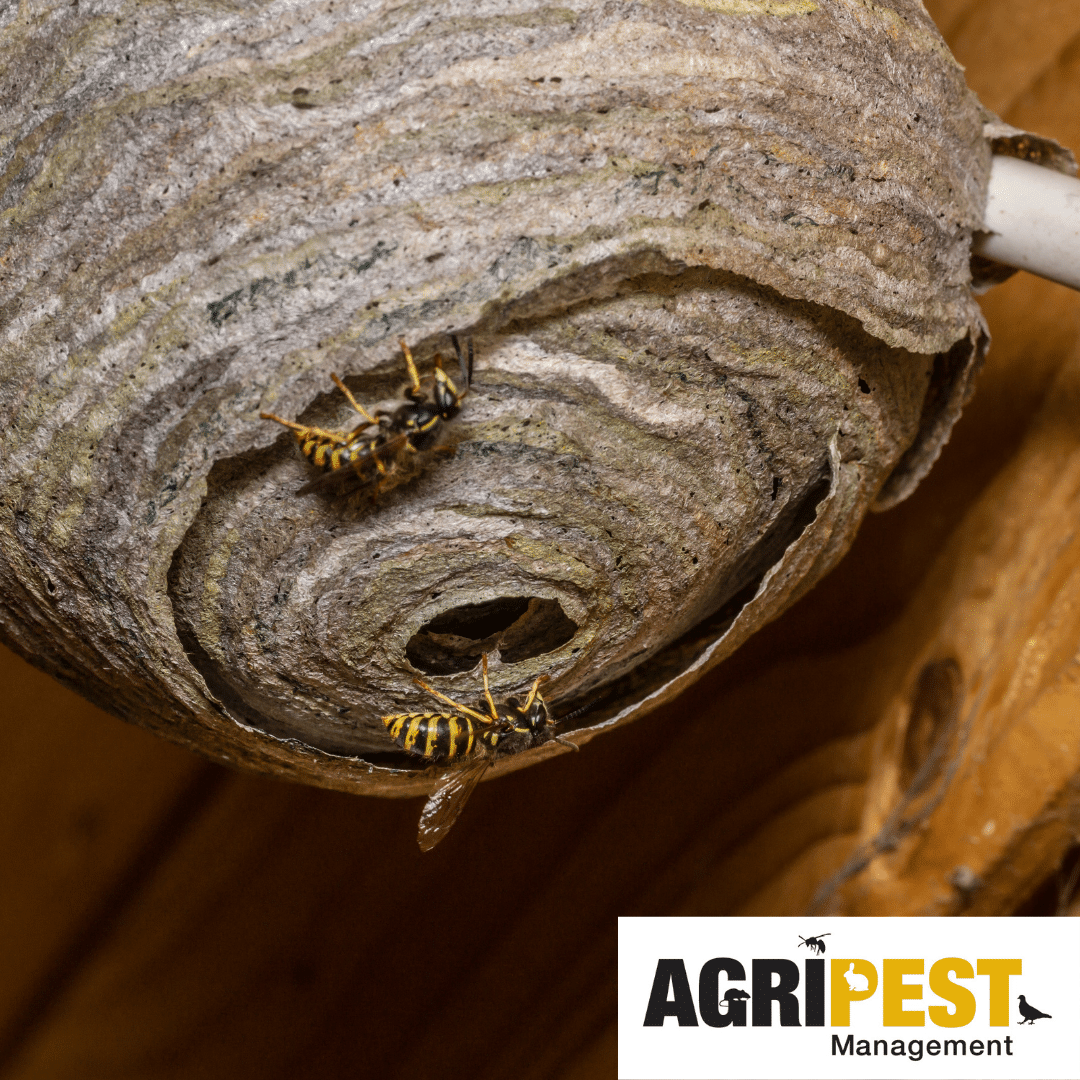
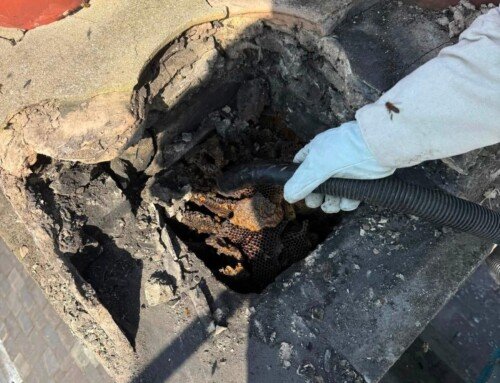
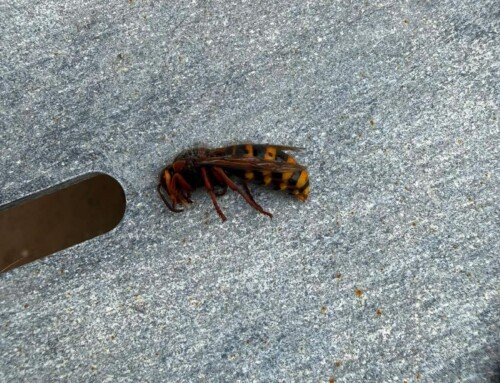
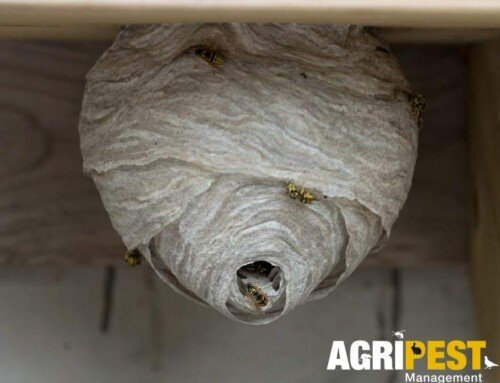
Wasps are stinging insects that can be a nuisance and pose a threat to individuals with allergies. To manage wasp populations:
a) Nest removal: Contact a professional pest control service to safely remove wasp nests.
b) Traps: Hang wasp traps around outdoor areas using sweet baits.
Rabbits can cause significant damage to gardens, crops, and lawns. To control rabbits:
a) Fencing: Install rabbit-proof fencing around vulnerable areas.
b) Trapping: Set up traps to capture rabbits for professional removal.
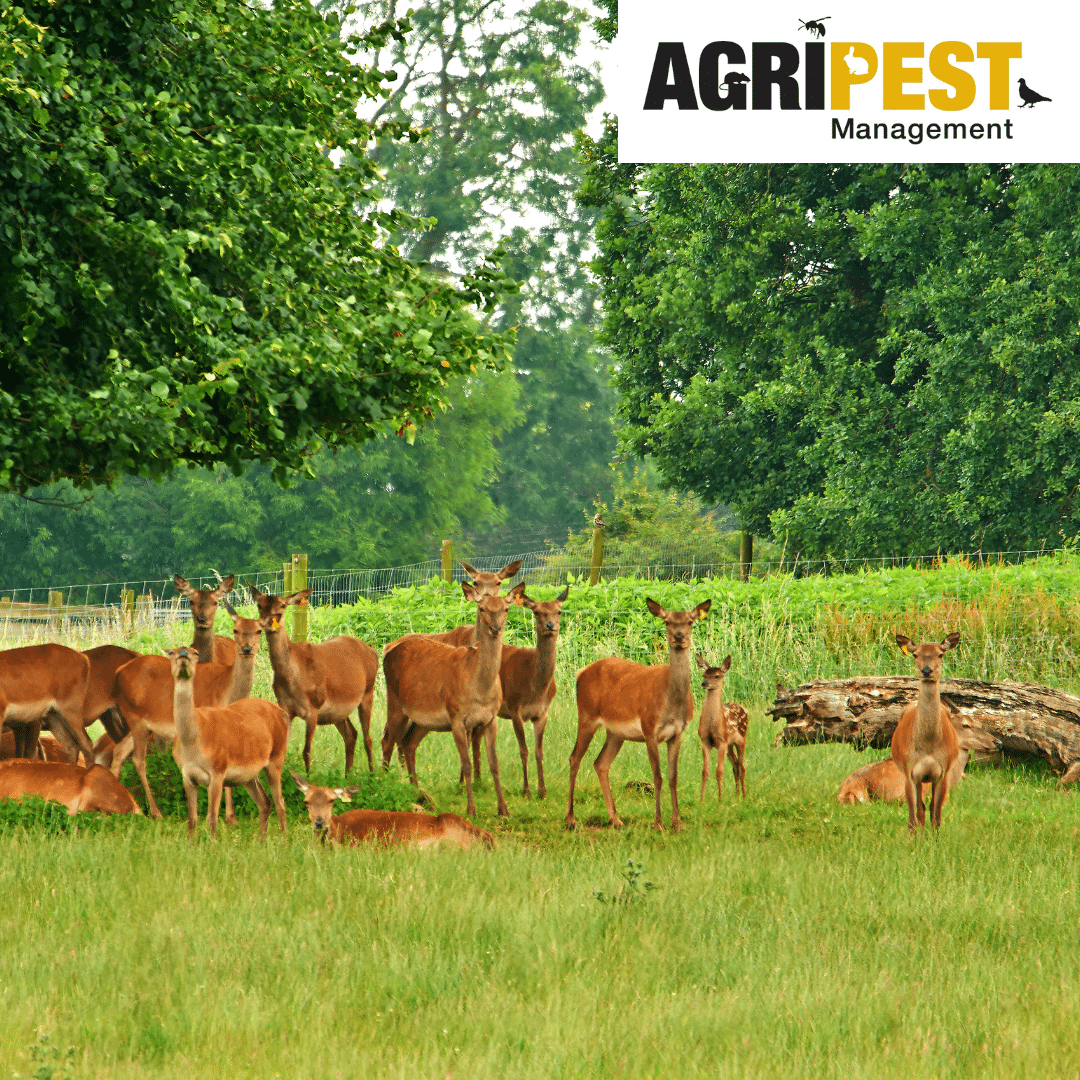
Deer can devastate gardens, plantations, and natural habitats. For deer control:
a) Fencing: Erect deer fencing around susceptible areas.
b) Repellents: Apply deer repellents or use motion-activated sprinklers.
c) Plant selection: Choose deer-resistant plants for landscaping.
Pigeons can be a nuisance, especially in urban areas, and their droppings may damage buildings. To manage pigeons:
a) Exclusion: Block access to roosting and nesting sites using nets or spikes.
b) Scare tactics: Install visual deterrents like scarecrows or reflective devices.
c) Feeding control: Discourage feeding pigeons, as it attracts more of them.
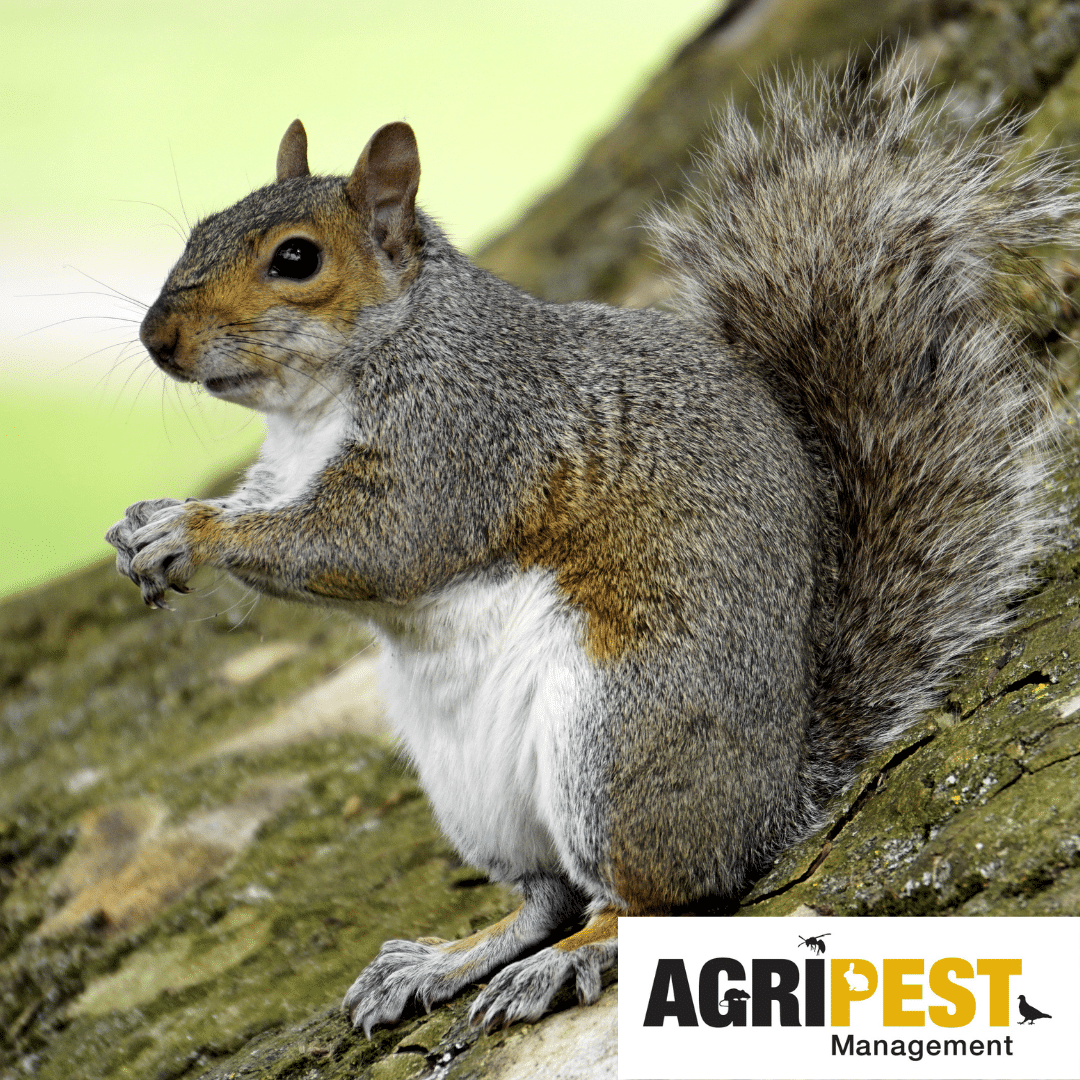
Squirrels can cause damage to structures, gardens, and electrical wiring. To control squirrels:
a) Exclusion: Seal entry points and use squirrel-proofing methods for bird feeders.
b) Traps: Set up live traps or squirrel-proof traps to capture squirrels.
Moles can create unsightly tunnels and damage lawns and gardens. To manage moles:
a) Trapping: Set mole traps in active tunnels.
b) Habitat Modification: Improving soil drainage and reducing overwatering can make your garden less appealing to moles.
Conclusion:
Effectively managing pests requires a combination of prevention, exclusion, and targeted control methods. Remember, when dealing with pests, it is important to prioritise the safety of humans, pets, and the environment. If pest control measures become challenging or ineffective, seeking professional assistance from licensed pest control experts is highly recommended.
For more information on our services contact us today.
Mob: 07716 467 460
Office: 01423 358 533
Email: nick@agripestmanagement.co.uk