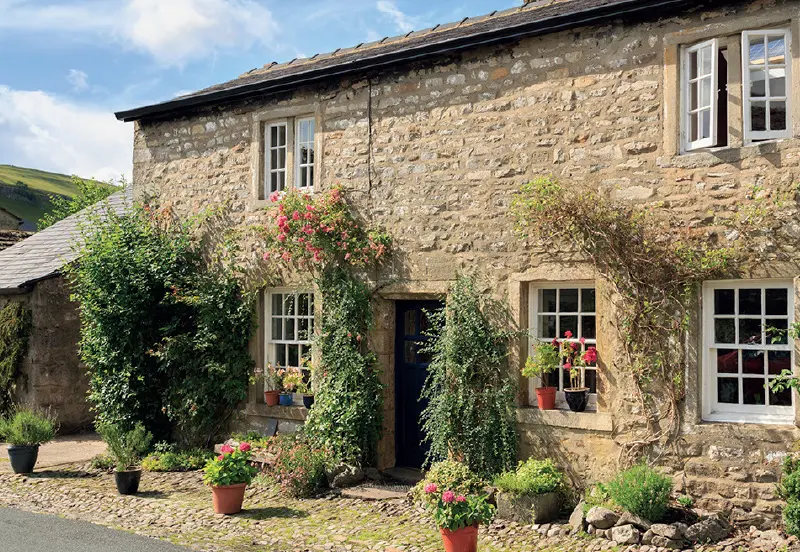
Although mice can be a problem to the householder at any time of the year, it’s winter that sees the demand for our services to attend mouse infestations increase. Being such a small creature it is imperative for the mouse to be inside buildings where it can more readily maintain its body temperature. With this in mind it brings us to our first question which our customers normally ask;
“How have mice got inside my house?”
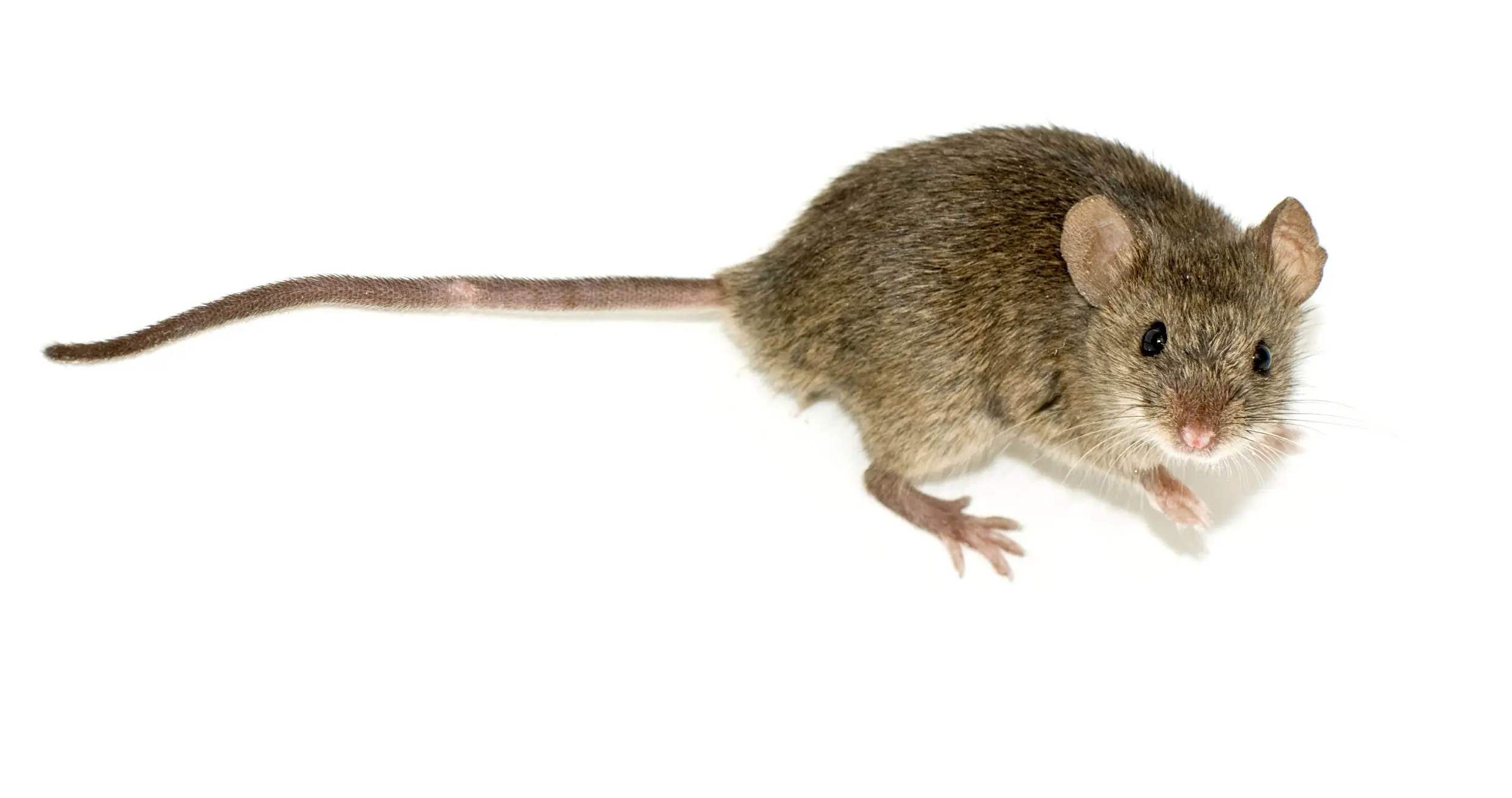
Mice are quite small creatures and as long as the mouse can squeeze its skull through a gap, the rest of the body will follow. Even if the gap is not big enough, the mouse will increase the size of the hole with its constantly growing incisor teeth. It is worth noting at this point that if a gap is big enough to accommodate a pencil then it will be big enough for a mouse to fit through. To be exact a crevice of 6mm or a hole width of 9.5mm. Armed with this information there are a number of areas that need to be investigated which include the following:
- Gaps around water pipes such as kitchen outflow pipes
- Gaps under doors such as house doors, integral garage doors, attached store doors
- Air bricks and grates especially the type seen in older houses, where the vents offer easy access to the wall cavities
- Gas and electricity meters that have not been sealed where the cable/pipe breaches the walls
- Cat flaps – especially ones that are sited too low down on the door
- Gaps under steps that lead up to the house door – sometimes gaps are unseen behind the steps that lead into the cavity
- Weep holes in brickwork that have no had vents fitted
- Badly eroded pointing around brickwork that reveal gaps to the cavities
This is not an exhaustive list but gives a flavour of the areas that if not properly sealed/proofed will let mice in to have a share of your home.
Other means of ingress are things such as vegetation climbing against a wall. Mice will easily scale this and, depending on the height of the climber, gain access to the loft space. The same principle can be applied to trellis at the side of walls and wires and cables that lead from the ground to higher levels.
There are the rarer occasions where mice have been introduces into a house via commodities and packaging. Also cats in some households have been known to bring live presents in the form of mice inside and these have subsequently escaped.
Another frequent question is:
“Why have mice come into my house?”
Mice are exploratory creatures and are always investigating their habitat. The gaps in our house will leak warm air and any number of aromatic food smells, which mice will find attractive. They will also use that nice little gap as a refuge from predators and inclement weather.
This leads on to the final question:
“How can I stop mice getting into my home in the future?”
It is fine pointing out to our customers that we think it is squeezing through this hole or climbing up the ivy; the skill is not only identifying these access points but being able to offer practical proofing remedies. As professional pest controllers we are armed with a number of products that can be used to rectify the problem. Through our many years of working in the industry we have honed our skills on the multitude of mouse infestations we have faced, this experience allows us to choose and fit products that will ensure your home remains mouse free. Examples of the type of proofing include:
- Fitting brush strips and plates to doors
- Sealing around pipework using mesh and cement
- Fitting weep hole vents
- Removing climbing vegetation from walls
- Fitting mesh plates over airbricks
- Fitting rubber bunds on uneven ground under doors
This study looks at just one aspect of mice control and in future studies we will consider how we treat a mouse infestation once it has become established in your home.
Find out more in Part 2: Click Here
For more information please feel free to contact us:
Kestrel Pest Management – 07578177410 – South Yorkshire
AgriPest Management – 07716 467 460 – North Yorkshire
Or visit www.kestrelpestmanagement.co.uk
Providing south Yorkshires homes, businesses and farm with a professional affordable pest control service.
We at AgriPest work alongside Mick from Kestrel pest management on projects within the South Yorkshire region, and would gladly recommend contacting him with your pest related concerns in this area.