We were contacted by the owner of a 2000 acre estate with a growing population of squirrels causing damage to its arboretum and woodlands.
Dealing with a squirrel issue on this scale takes some strategic planning. We needed to divide the estate into zones, working out the hot spots and where the greys where migrating from.
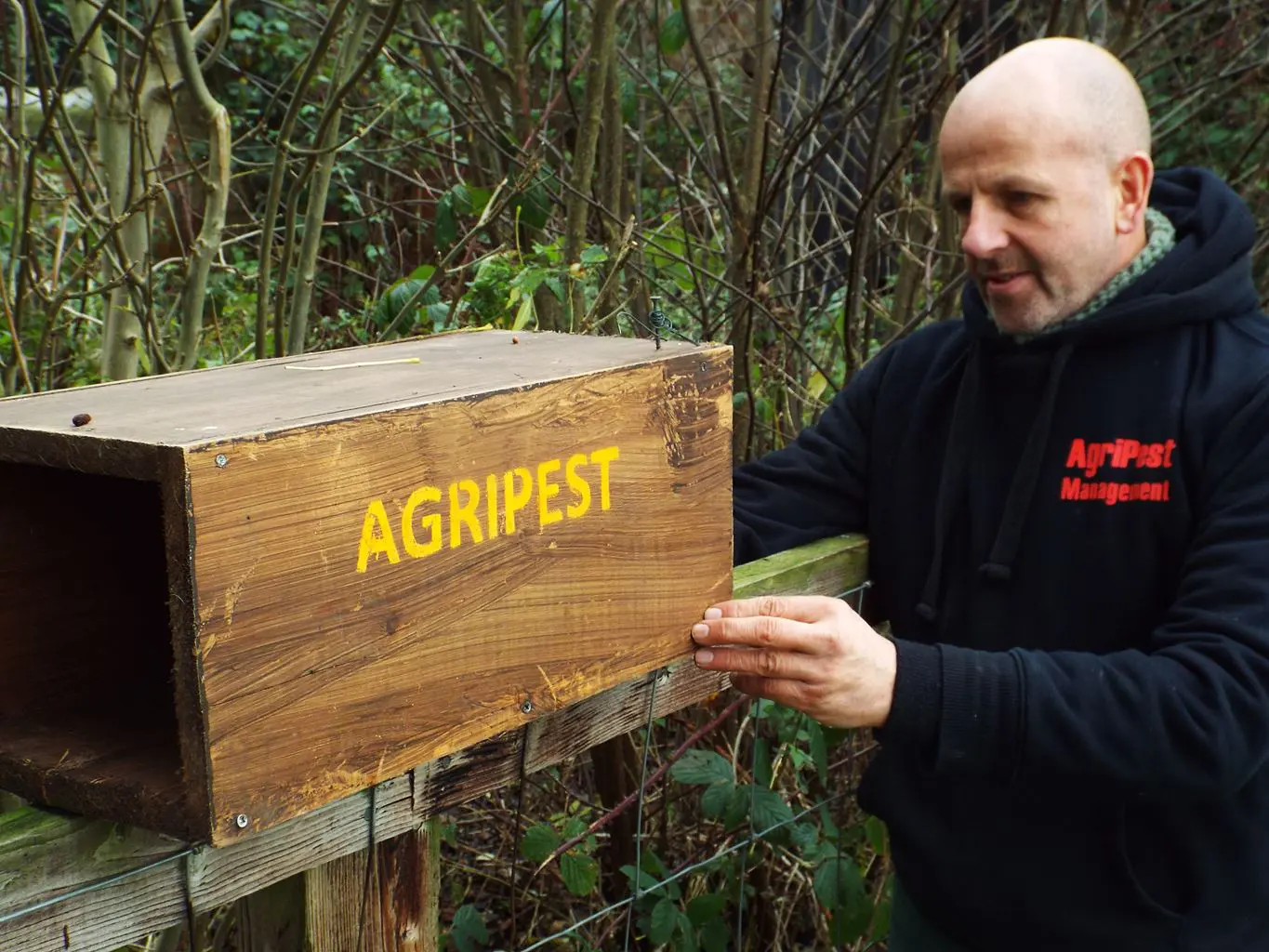
Once the planning had been done trapping boxes with MK4 traps were installed, as well as live catch traps in locations where non-target species were at risk. The locations were mapped out and logged.
When trapping squirrels on this scale we experience varying degrees of speed and success. On day one, 23 squirrels were trapped throughout the different zones. By the end of the first week over 126 had been trapped in both live catch and MK4 fenns. We logged the amount of squirrels trapped and in which type of trap they were caught. This gave us a greater understanding of the progress we were making.
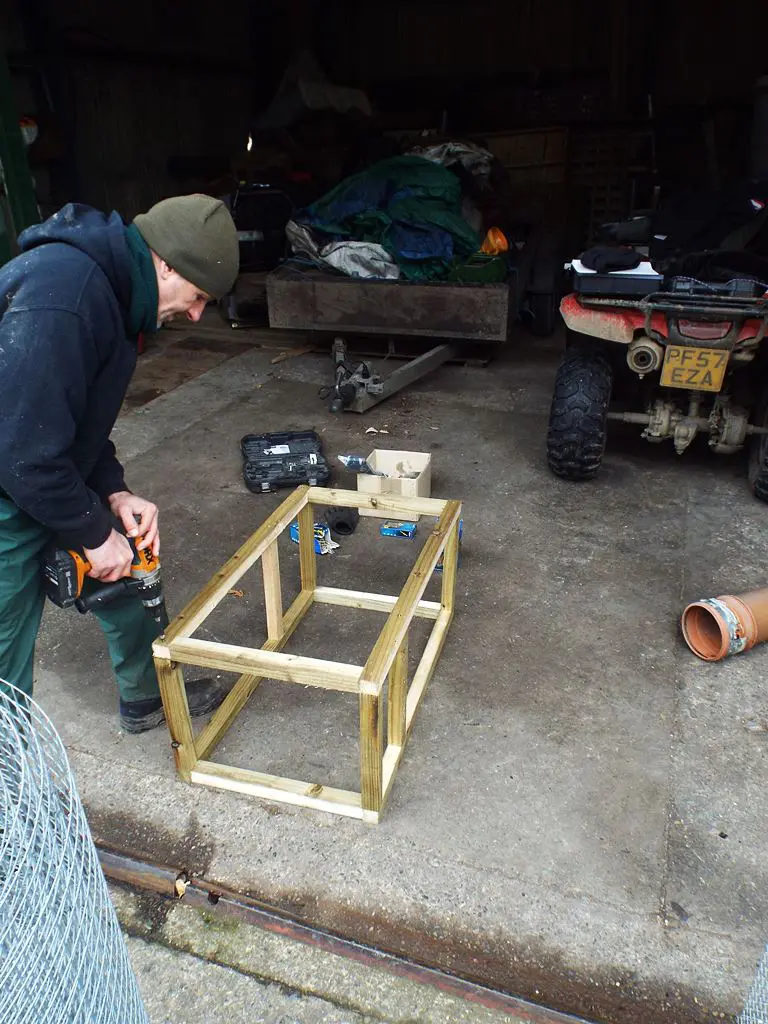
Once we had trapped the squirrels willing to go into traps we had to turn our attention to the ones that were trap and box shy. This is when a squirrel avoids foreign objects within their habitat. We used our experience and knowledge to design and create trapping boxes and tunnels that we knew would effectively blend with their natural environment.
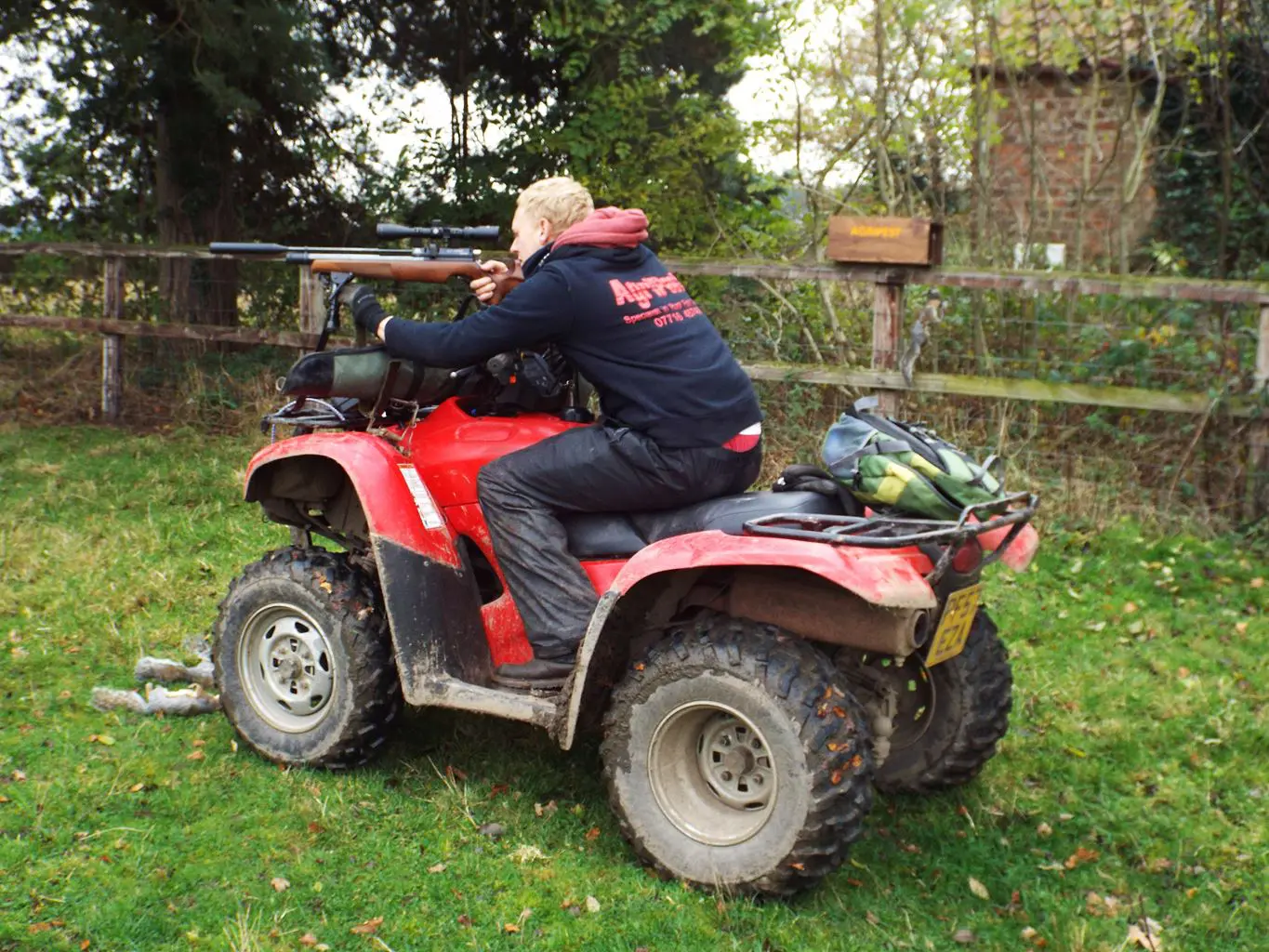
By combining various trapping techniques and shooting we reduced the population to a more acceptable level. By week six we had trapped over 567 grey squirrels within the estate.
We now have minimal trapping boxes installed that we implement in cycles. This keeps the squirrel population at an acceptable level, putting a stop to bark stripping, allowing nesting birds to sleep soundly and the trees to mature and re-germinate.
Carrying out this type of successful squirrel treatment requires a professional and experienced team, the right equipment, as well as a thorough understanding of the species.